FPV drone services have become must-have tools for producers, brands, and businesses that serve real estate agents, event marketing teams, and construction contractors with dynamic footage, videos, and 4K/8K aerial cinematography. This producer-side guide covers what first person view drones add to a shoot, the business verticals they serve, professional pricing, FAA Part 107 guidelines, and how to book the right drone pilot in NYC and the tri-state area.
What Are FPV Drone Services?
FPV stands for first person view. A drone pilot flies using FPV goggles that stream a low-latency video feed from a carbon-fiber quadcopter, which lets the craft capture high speed moves, indoor spaces, and immersive footage that traditional drones cannot deliver. Unlike a DJI Inspire or Mavic flying on autopilot, a first person view drone is manually piloted in acro mode, so every move is intentional, dynamic, and cinematic, with precision timing that rewards creativity.
How First Person View Flying Differs From Traditional Drones
Traditional drones use a gimbal-stabilized camera, GPS hold, and obstacle avoidance. FPV drones are smaller and more maneuverable, allowing them to fly through narrow spaces and around complex obstacles. An FPV rig runs a 3-inch or 5-inch airframe with propeller guards for indoor work, a GoPro or naked action camera, and no GPS, trading safety nets for high speed maneuvers and tight paths through objects. The result is dynamic, immersive footage and one-take videos creating story moments that pull viewers into a world a gimbal cannot reach, delivering benefits to every brand and project.
When an FPV Shoot Beats a Gimbal Shoot
Book an FPV pilot when the script calls for speed, proximity, a dive, a chase, or an indoor fly-through. Stick with traditional drones for locked-off pulls, aerial photography establishing shots, and long-lens telephoto work. FPV drones can chase moving subjects at speeds exceeding 100 mph, capturing high speed action in a single frame. Most shoots combine both an FPV drone and a traditional drone handling wide aerial photography across the sky, an exciting combination that serves fast-moving industries and gives viewers the ability to see a property or event from every angle. See our FPV vs cinematic drone comparison to pick the right tool for your script.
Core FPV Drone Services You Can Book
Every FPV drone operator pitches a slightly different menu, but commercial applications of FPV drones include real estate tours, live event coverage, and high-impact marketing campaigns. Serious FPV operators in the United States cover the same core business verticals with dynamic, immersive footage, exciting videos, and quality deliverables.
Concert and Live Events
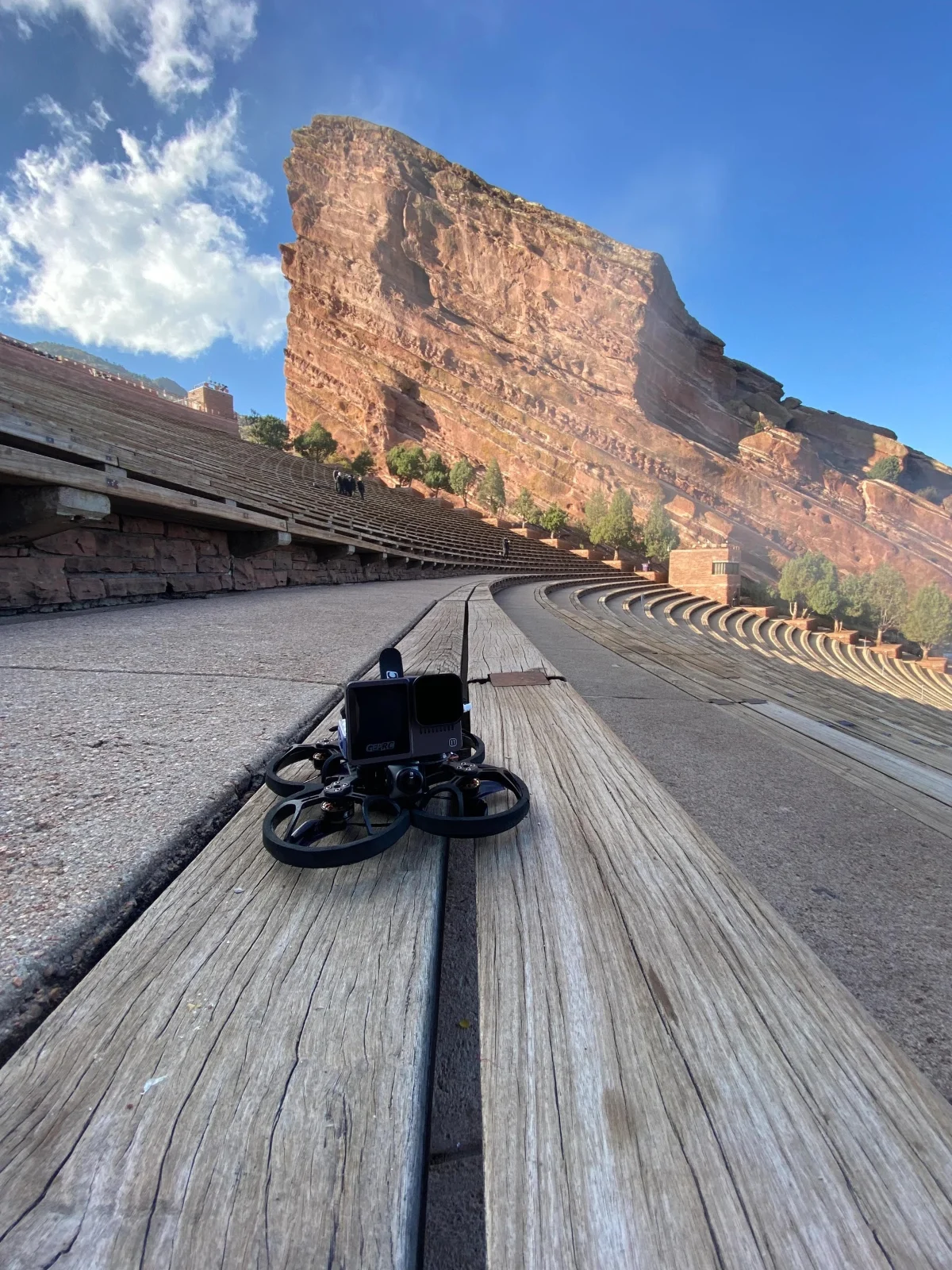
A drone pilot can orbit performers, dive past LED walls, and stream a live signal from the onboard receiver to a video village for the front-of-house director at live events. A Cinewhoop (ducted FPV with propeller guards) is the right airframe for FPV concert videography because the prop guards keep the talent and audience safe under tight choreography. The immersive and exciting footage captured by FPV drones serves as a powerful marketing tool for raising brand awareness and attracting a wider audience. See FPV NYC concert drone filming work here.
Real Estate Listings and Architecture Fly-Throughs
Common applications of FPV drones include creating immersive property tours for real estate listings and showcase reels. A Cinewhoop can start outside a front door, thread the foyer, climb the staircase, and exit over the backyard in one continuous take. Real estate listings that use an indoor fly-through get more shares than standard gimbal videos, which is why agents and brands ask for FPV drone services on premium real estate listings and new construction spaces.
Film and Commercial Production
Feature film, streaming, and commercial crews hire a drone pilot for chase shots, vehicle-to-vehicle moves, and impossible transitions between sets. Expect a professional, union-friendly drone pilot with a certificate of insurance, a licensed remote pilot card, and a backup airframe on set for every high speed take, a custom duration, and a project-specific battery plan.
Construction, Inspections, and Confined Spaces
Construction marketing teams use FPV drones to capture beams, cranes, and partially enclosed floors that a fixed-wing or gimbal drone cannot reach safely. FPV drones can be employed in confined spaces for inspections, such as storage tanks and chimneys, without requiring human entry. The resulting videos double as progress reporting and pre-leasing marketing for developers creating content for brand campaigns across construction industries.
Sports, Automotive, and Action Coverage
Motorsport, ski, BMX, and action sports clients book FPV crews because an FPV rig can match a subject at 80 mph and swing through gates, trees, or parking structures. For automotive brand videos, this is how you capture the on-track chase cam without renting a second camera car, creating immersive footage in a single exciting take that showcases creativity to viewers.
How Much Do FPV Drone Services Cost?
Pricing for FPV drone services typically varies based on project scope, location, and specific requirements. The starting price for FPV drone services can be around $500, but this can increase significantly based on the complexity and duration of the shoot.
Hourly and Day Rate Ranges
Typical US market rates in 2026 look like this: hourly rates run $300 to $500 for a solo FPV pilot, half-day packages run $1,200 to $2,500, and full-day film-production rates run $3,000 to $7,500 including a visual observer, insurance, and edited videos. Dutch Drone Gods-tier crews and feature-film work can exceed that range, especially for custom brand projects with extended duration.
What Drives Cost Up or Down
Factors influencing the cost of FPV drone services include the type of drone used, the duration of the shoot, and the level of post-production editing required. Add budget when the shoot includes indoor flight, a Part 107 waiver, a second pilot, or same-day edited videos. Save budget when you book a half day, keep the shoot to daylight hours, and lock the creative idea, duration, and scout notes in before call time.
FAA Guidelines and Insurance for FPV Drone Services
All FPV drone pilots are required to be FAA Part 107 certified to ensure they are knowledgeable about the regulations governing drone operations. If a company cannot send a Part 107 card and a certificate of insurance on request, keep shopping and contact another vendor.
Part 107 Waivers for Close and Indoor Flight
FPV drone operations must comply with FAA guidelines, which include regulations on airspace restrictions and operational safety protocols. FPV drones that weigh under 250 grams are generally considered safe to fly around people and objects, provided they have protected propellers. Flights over people, at night, above 400 feet, or beyond visual line of sight all require a FAA Part 107 waiver filed through DroneZone, and a seasoned pilot can usually turn one around in 60 to 90 days.
Certificates of Insurance (COI) and Liability Limits
Standard commercial FPV operators carry $1M in general liability. Venues, airports, and municipalities often require a $2M to $5M COI with the venue listed as additional insured. Ask for the COI in writing before the call sheet goes out, and make sure the policy covers indoor flight and close-proximity work across business verticals.
Booking FPV Drone Services in NYC and the Tri-State
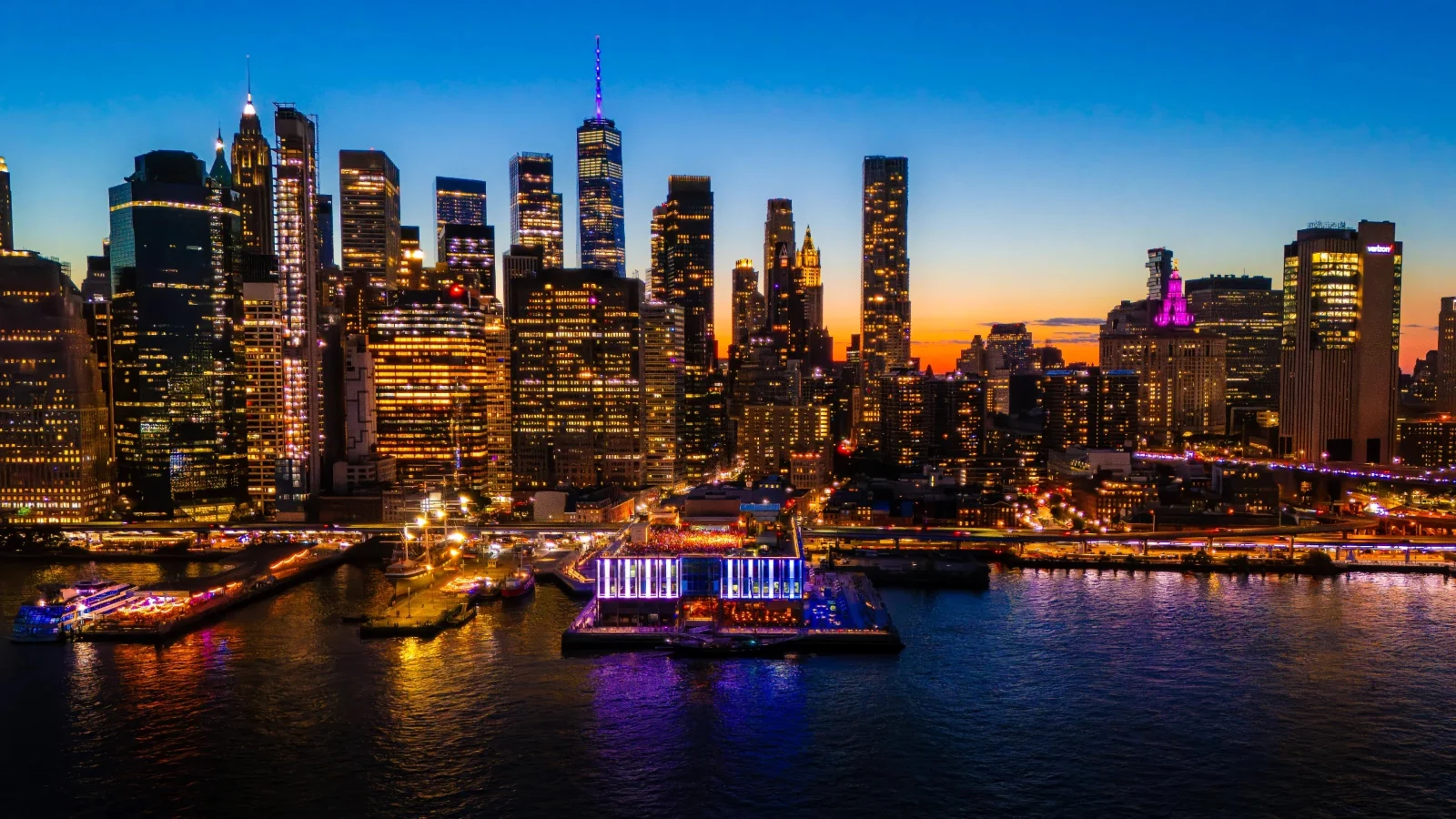
NYC is the hardest airspace in the country to fly a drone inside, and that is exactly why seasoned local operators are valuable here.
Local Airspace and Permitting Realities
Manhattan sits under LaGuardia (LGA), JFK, and Newark (EWR) Class B airspace, which means every outdoor flight needs a LAANC authorization and, inside the densest parts of the city, an NYPD film permit plus a Part 107 waiver before a drone pilot can even lift off into the sky. Find a local team at FPV NYC drone pilots who work with the Mayor’s Office of Media and Entertainment daily.
Scout, Block, and Plan Days
Serious FPV operators build a scout day into every shoot over one location. The pilot walks the route with the director, blocks the line with sandbags or tape, rehearses with a sim, and then commits on shoot day. Skipping the scout is the fastest way to lose usable footage and videos.
Choosing the Right Drone Pilot
Portfolios tell you what an operator can capture. References tell you what they can deliver. Ask for both plus a handful of examples of past videos to showcase clients and brand projects across business industries.
Questions Every Producer Should Ask
FPV drone services offer high-quality aerial cinematography that can achieve up to 4K/8K resolution and provide increased viewer engagement compared to traditional media. Ask about Part 107 currency, COI limits, waiver experience, backup airframes, battery count per shoot day, and whether the pilot owns a Cinewhoop with propeller guards, a 5-inch freestyle, and a long-range airframe. A custom setup gives a project precision, safety, and creativity.
Red Flags to Watch For
Walk away if a drone pilot will not show a Part 107 card, cannot name an insurance carrier, pushes back on a scout day, or quotes a rate that looks too low to cover insurance and FAA compliance. Those corners get cut somewhere, and a downed drone on set is not a savings story for any brand or company.
Ready to Book FPV Drone Services?
The right FPV drone services turn ordinary videos into one-take stories that brands and clients share, putting viewers inside a world most rigs cannot reach. If you are producing a shoot in New York, New Jersey, Connecticut, or Pennsylvania, get a quote from FPV NYC, the tri-state FPV drone video company, or contact the FPV NYC team directly to scope your project. Bring the script, the date window, the duration, and the location, and FPV NYC will come back with a day rate, a deliverable timeline, and the exact airframe your brand’s immersive videos need for a fun, exciting, high-quality project across industries.