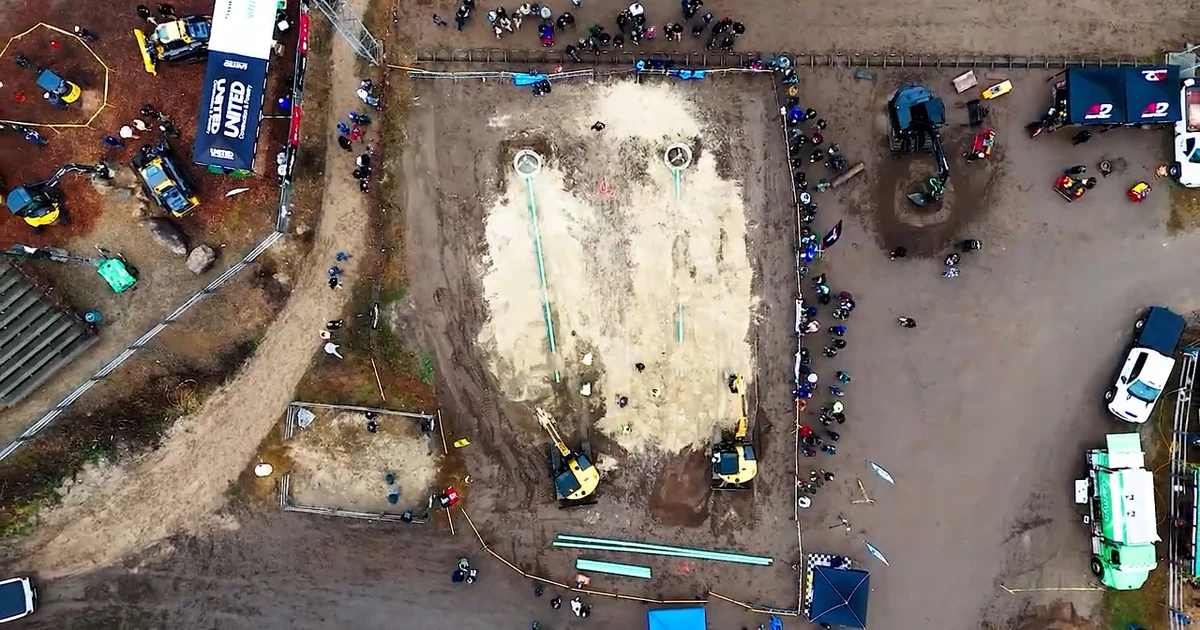
New York City property teams, engineering firms, and architects increasingly rely on nyc drone inspection services to assess buildings, facades, and infrastructure across all five boroughs. Drones equipped with high resolution cameras allow inspectors to capture detailed visual data that would otherwise require scaffolding, rope access, or costly personnel deployments. As building inspections grow more complex and Local Law compliance deadlines tighten, drone inspections are now a standard tool for property managers and property owners who need accurate assessments of existing conditions.
This guide covers how drone inspection services work, what building and facade inspections include, how drones compare to traditional inspections, and how to scope your next NYC inspection project.
Why Drones Are Transforming Building Inspections in NYC
Traditional building inspections required inspectors to physically access every section of a structure. Rope access teams, scaffolding crews, and boom lifts were the only options for examining high facades, parapets, rooftops, and elevated infrastructure. These traditional methods are time consuming, expensive, and often introduce risk for personnel working at height.
Drones offer a fundamentally different approach. Professional drone inspections deploy drones equipped with high resolution cameras and sensors that can capture the building’s condition from multiple angles, altitudes, and distances. Inspectors can review high resolution imagery, identify minor issues, flag areas of concern, and produce structured reports without requiring the same level of physical access. For building inspections in dense urban environments like New York City, this shift has significant cost and safety implications.
Drone technology has also improved how engineering firms and architects document existing conditions. Rather than relying on spot checks or incomplete visual data, drones provide complete coverage of building facades, infrastructure elements, and construction progress in a single mobilization.
How NYC Drone Inspections Work
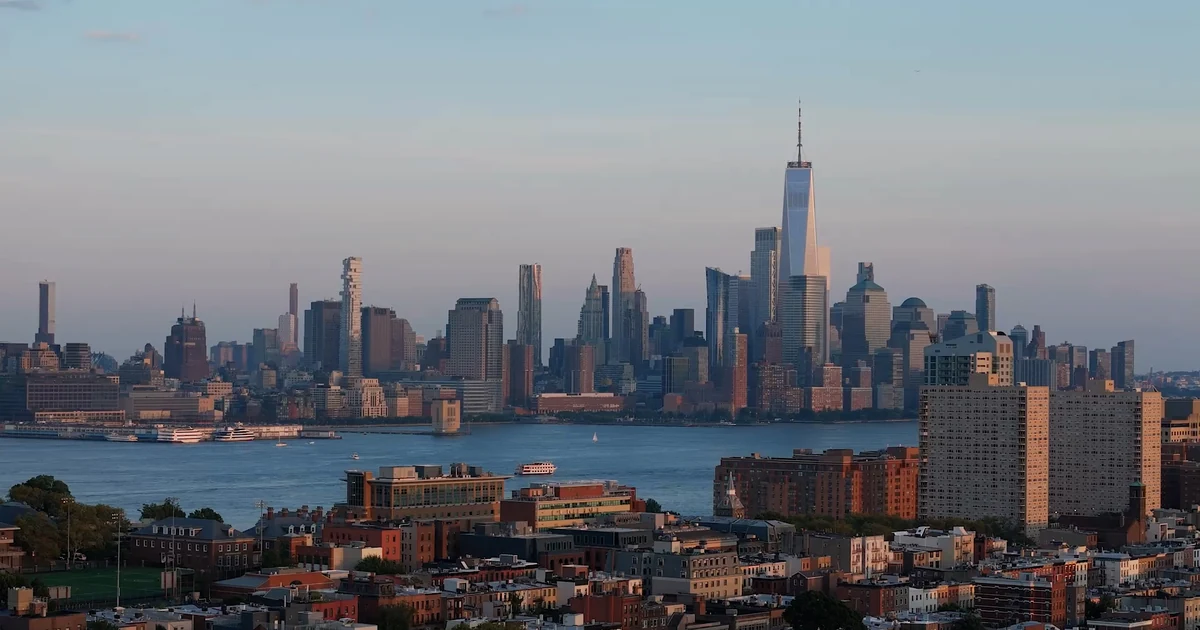
Drone inspections in New York City follow a structured inspection process designed around the specific assets, zones, and documentation requirements of each project. A professional drone equipped with high resolution cameras will capture stills, video, or both depending on the scope. For facade inspections and building inspections, drones typically fly systematic patterns to ensure complete coverage.
Drones Equipped With High Resolution Cameras
Modern drones used for professional drone inspections carry high resolution cameras capable of capturing detailed visual data at a range of distances. Drones equipped with high resolution sensors can identify surface conditions, joint behavior, drainage patterns, and facade conditions that would be difficult or impossible to assess with the naked eye from grade level. High resolution imagery from building inspections provides engineers and inspectors with a reliable basis for accurate assessment and accurate analysis.
For facade inspections, drones offer coverage that rope access and traditional methods simply cannot match in terms of efficiency and repeatability. Drones equipped with the right sensors reduce the number of personnel required on site and shorten the overall inspection timeline significantly.
Existing Conditions Documentation
One of the most common applications of drone inspections in New York City is existing conditions documentation. Before construction begins, before repairs are scoped, or after an event that may have affected building integrity, drones capture a complete record of existing conditions. This data supports engineers, architects, property managers, and inspectors who need defensible documentation of the building’s condition at a specific point in time.
Drone inspection services that provide structured output organized by zone, elevation, or issue type help teams move from data to decisions more quickly. Critical data from drone inspections reduces the back-and-forth between field teams and office-based engineers and architects when assessing next steps.
Facade Inspections and Local Law Compliance in NYC
Facade inspections are one of the highest-stakes inspection categories for New York City buildings. Local Law requirements in NYC mandate regular facade inspections for qualifying buildings, and property owners who miss reporting cycles face significant consequences. Drone-based facade inspections have become an important tool for property managers and engineering firms that need to document facade conditions efficiently across large portfolios.
Local Law and Drone Technology for Building Facades
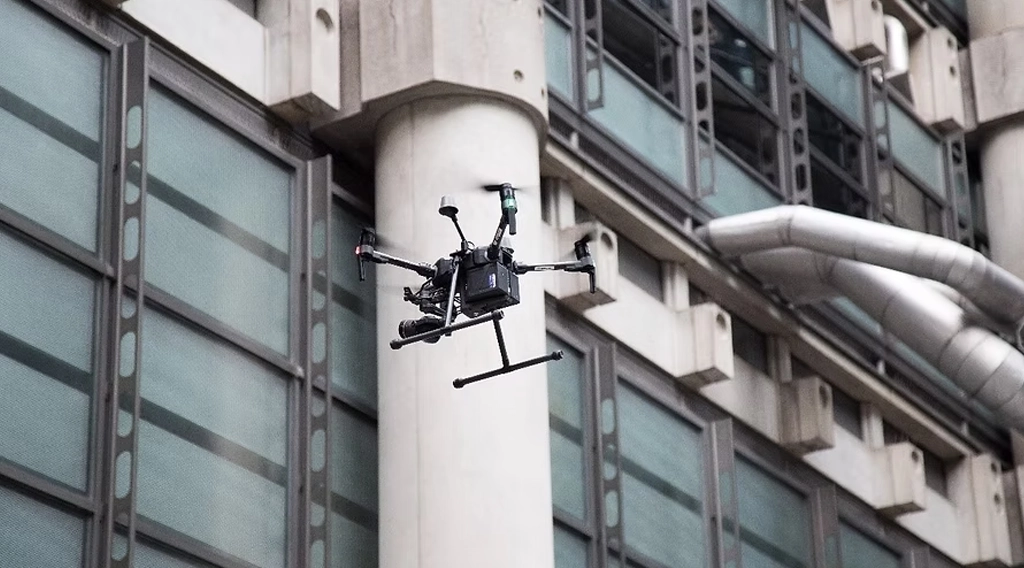
New York City Local Law framework, including Local Law 11 (Facade Inspection Safety Program), requires periodic inspection reports on building facades for buildings over six stories. Inspectors must document the condition of facades, parapets, and building components that could affect public safety if they deteriorate. Drones provide a cost effective method for conducting the initial visual assessment phase of facade inspections, allowing inspectors to review facade conditions remotely before deploying rope access or scaffolding for close-contact evaluation.
Drone technology supports engineers and architects by making regular facade inspections faster and safer. Professional drone inspections capture facade inspection data at scale, reducing the time consuming and costly phases of traditional facade inspection programs. Engineering firms that incorporate drones into their inspection workflow can produce more frequent and more thorough building inspections than traditional methods allow.
Local Law compliance timelines create predictable demand for facade inspections in NYC. Property owners and property managers who plan drone inspections in advance of deadlines can avoid rush pricing, last-minute scheduling conflicts, and incomplete coverage that leads to costly repairs or compliance gaps.
Drone Based Facade Inspections vs Rope Access
Traditional facade inspections often rely on rope access specialists or hung scaffolding to give inspectors physical proximity to facade conditions. Rope access is skilled work, but it introduces personnel risk, requires dedicated safety coordination, and adds time to every inspection cycle. Drone based facade inspections can complete the visual coverage phase in a fraction of the time, with less risk, and with more repeatable data outputs.
For large building facades, drones can confirm where facade conditions are normal and help inspectors focus rope access deployments on specific zones where close-contact investigation is truly necessary. This approach makes building inspections more efficient and reduces total inspection cost without sacrificing documentation quality.
Inspection Services for Different Building Types
Drone inspections are not limited to standard commercial buildings. Inspection services in New York City cover a wide range of infrastructure and building types that each present unique challenges for traditional methods.
Commercial Buildings and Residential Towers
High-rise building inspections are where drones offer the clearest advantage over traditional methods. Inspectors can examine building facades from multiple elevations without staging full hoist systems. Drones capture the building’s condition across all levels, and high resolution imagery allows engineers to make accurate assessments without physically accessing every zone. Building inspections at this scale are faster and produce more complete data when drones are integrated into the inspection process.
Parking Garages and Infrastructure
Parking garages and other infrastructure present unique inspection challenges for traditional methods. Drones can navigate interior areas, capture existing conditions of structural elements, and document infrastructure deterioration that might not be visible without elevated access. Inspections in parking garages typically use drones to survey deck surfaces, column conditions, and drainage systems efficiently. For bridges and elevated infrastructure, drone inspections reduce the need for lane closures and allow inspectors to assess structural integrity from safe standoff distances.
Construction Projects and Site Verification
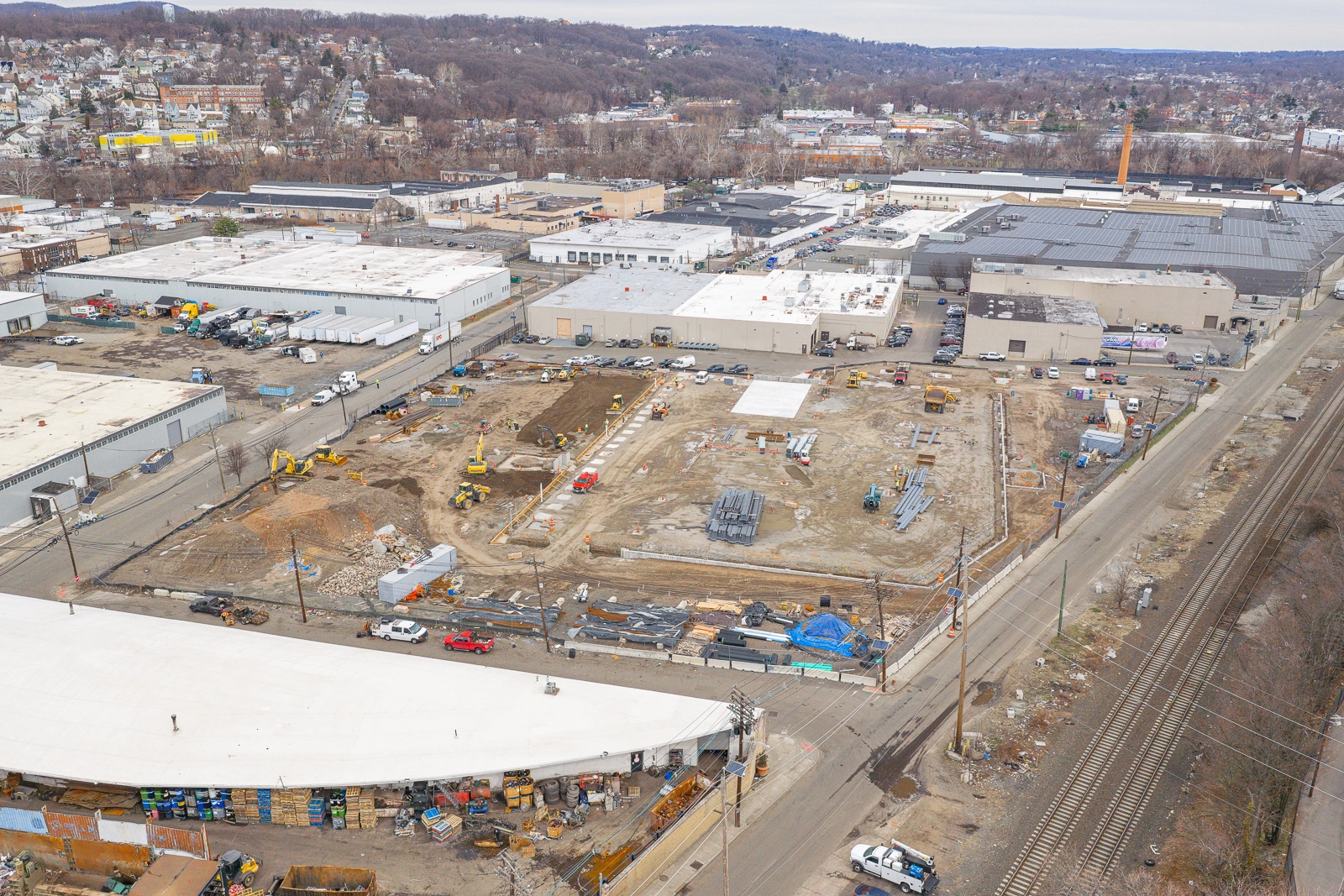
Construction teams use drone inspections for progress documentation, punch-list verification, and existing conditions baseline capture before work begins. Drones provide a time-stamped record of site conditions that construction managers, engineers, and owners can reference throughout the project lifecycle. As construction advances, drone inspections can confirm that completed work matches specifications and that existing conditions around the project have not been affected. FPV NYC supports construction teams in New York City through ongoing construction drone inspection documentation that integrates into existing project workflows.
Professional Drone Inspections: What to Expect
A professional drone inspection is not just a flyover. Professional drone inspections involve pre-flight planning, regulatory compliance coordination, systematic capture execution, and structured delivery of inspection data. Building inspections done with drones require the same level of process discipline as traditional methods. The advantage is speed, safety, and cost effectiveness rather than a shortcut.
FAA Certified Pilots and Regulatory Compliance
Drone inspections in New York City must be conducted by FAA certified pilots operating under applicable airspace authorizations. Regulatory compliance is a planning discipline: drone operators must coordinate airspace access, document flight parameters, and ensure that inspection operations do not create safety risks for pedestrians, personnel, or nearby infrastructure. FAA certified pilots who specialize in building inspections understand how to navigate urban airspace constraints while delivering complete visual coverage of complex facades and building components.
Property managers and property owners should confirm that any drone inspection provider can document pilot certifications, airspace authorizations, and equipment specifications as part of the inspection record. This documentation supports regulatory compliance and provides a defensible record if inspection findings are later reviewed.
Minimizing Risk and Ensuring Safety
Drones offer a safety advantage over traditional inspections by reducing the need for personnel at height. Fewer workers on scaffolding or ropes means reduced exposure to fall risk, equipment failure, and site-specific hazards. Drone based inspection programs help reduce risk not only during the inspection itself but also in downstream decisions: accurate data from drones helps engineers and inspectors identify costly repairs before they become emergencies, minimizing risk to buildings, occupants, and neighboring properties.
How to Hire the Right NYC Drone Inspection Team
The decision to hire professional drone inspection services should be treated as a vendor evaluation process. Verifying inspection experience, reviewing sample deliverables from similar building inspections, and confirming that the provider understands local law requirements relevant to your portfolio are all essential steps. See how to hire the right NYC drone services team for a full buyer checklist.
Questions to ask drone inspection providers:
- What types of building inspections have you completed in New York City?
- How are drones equipped and what sensors are included?
- How is existing conditions data organized for engineering review?
- Can you document regulatory compliance for airspace and FAA certifications?
- What is the turnaround for inspection reports after flight completion?
A strong partner can explain operational decisions clearly and adapt inspection scope as new site information appears. See how NYC drone pilot operations are structured for building and infrastructure inspection projects.
Cost Effective Drone Inspections for NYC Buildings
Drone inspections are cost effective compared to traditional methods when all inputs are considered. Traditional inspections using rope access or scaffolding require more personnel, more equipment, and longer site access windows. Drone inspection services can complete visual coverage phases faster, at lower cost, and with less disruption to building occupants and neighboring properties.
For portfolios with multiple buildings requiring regular facade inspections under local law cycles, the savings from drone based inspection programs can be substantial. Cost effective drone inspections also produce better data: consistent angles, systematic patterns, and structured file delivery give engineering firms and inspectors more reliable inputs for their reports. For an overview of full commercial inspection capabilities, see NYC drone video and commercial aerial services.
FPV NYC: Professional Drone Inspections for New York City Buildings
FPV NYC provides professional drone inspections for building inspections, facade inspections, construction documentation, and infrastructure surveys across New York City. Drone inspection services are built around accurate assessment, structured delivery, and clear communication with engineering firms, architects, property managers, and owners throughout every project. Drones are deployed by FAA certified pilots with experience in NYC airspace constraints and local law coordination.
Plan Your NYC Drone Inspection
If your building portfolio has upcoming local law facade inspection deadlines, existing conditions documentation needs, or construction verification requirements, start with a scoped conversation about your assets and inspection objectives. Drone inspections in New York City require advance planning to coordinate airspace access, site contacts, and delivery timelines, especially for building inspections that need to align with engineering review schedules.
Contact FPV NYC to plan your next nyc drone inspection project with a professional team that understands New York City buildings, local law compliance, and the inspection standards that property owners, engineers, and property managers depend on.